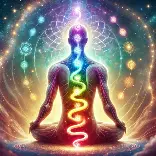
In yogic and tantric traditions, kundalini refers to a form of latent spiritual energy said to reside at the base of the spine. It’s often symbolised as a coiled serpent.
Core idea: Kundalini is a metaphor for human potential – creativity, vitality, intuition, and consciousness – that can be awakened through spiritual practice.
Traditional sources:
- Hindu Tantra
- Kundalini Yoga
- Some forms of Tibetan Buddhism
- Certain shamanic traditions (though under different names)
It’s not a religion – it’s a concept within spiritual development.
These experiences vary widely and can be influenced by meditation, breathwork, stress, trauma, or personal psychology.
A Balanced Perspective
Kundalini is a spiritual metaphor, not a medical diagnosis. People interpret kundalini experiences through different lenses:
Spiritual lens: A transformative awakening of consciousness.
Psychological lens: A period of intense emotional processing, identity change, or trauma release.
Physiological lens: A combination of nervous system activation, breath patterns, and stress responses.
None of these interpretations invalidate the others – they’re different ways of describing the same human experience.
In One Line
Kundalini is a symbolic framework for deep personal transformation – involving emotional release, identity evolution, and increased clarity – and it’s important to approach it with grounding, balance, and support if needed.
The Significance of Symbols in Kundalini Practices
Symbols serve multiple purposes in spiritual practices. They act as reminders, focal points for meditation, and catalysts for understanding complex concepts. When it comes to Kundalini, symbols can embody the transformative journey from ignorance to enlightenment.
1. The Serpent
The serpent is perhaps the most prevalent symbol associated with Kundalini. It represents not only the coiled energy at the base of the spine but also transformation and rebirth. In many cultures, snakes are perceived as symbols of protection and healing due to their ability to shed skin. This shedding reflects a shedding of old beliefs and patterns as one undergoes spiritual growth.
In Kundalini practices, visualizing the serpent rising through the chakras can facilitate a deeper connection with one’s inner self. As it ascends, it signifies overcoming obstacles and fears while embracing personal empowerment.
2. The Lotus Flower
The lotus flower is another powerful symbol within the context of Kundalini. Emerging from muddy waters to bloom into a beautiful flower, the lotus represents purity, enlightenment, and spiritual awakening. In Hindu and Buddhist traditions, it symbolizes an individual’s journey through suffering towards realization and transcendence.
When relating to Kundalini, the lotus depicts the blossoming of consciousness as the Kundalini energy rises through each chakra. Each chakra is often depicted as a lotus with varying numbers of petals, illustrating different states of awareness. This symbolism emphasizes that true beauty emerges from overcoming adversity.
3. The Chakra System
The chakra system itself is a significant representation in understanding Kundalini energy. There are seven primary chakras aligned along the spine, each corresponding to different aspects of human experience – from survival instincts to higher consciousness.
- Muladhara (Root Chakra): Associated with grounding and basic survival.
- Svadhisthana (Sacral Chakra): Linked to creativity and emotional connection.
- Manipura (Solar Plexus Chakra): Represents personal power and confidence.
- Anahata (Heart Chakra): Symbolizes love and compassion.
- Vishuddha (Throat Chakra): Relates to communication and truth-telling.
- Ajna (Third Eye Chakra): Represents intuition and insight.
- Sahasrara (Crown Chakra): Associated with spiritual connection and enlightenment.
The chakras are often represented visually by geometric shapes or mandalas that encapsulate their attributes and energies. Understanding these symbols aids practitioners in recognizing areas that may require healing or focus during meditation.
4. The Yin-Yang Symbol
The yin-yang symbol finds its way into discussions about Kundalini due to its representation of duality – masculine (Shiva) and feminine (Shakti) energies within oneself. The balance between these two forces is crucial for a harmonious spiritual journey.
In Hindu philosophy, Shakti represents divine feminine energy that fuels creation and transformation, while Shiva embodies stillness and consciousness. The interplay between these energies is essential for raising Kundalini; when they come into balance, individuals experience wholeness and a deeper connection with their true selves.
5. The Om Symbol
The Om symbol (ॐ) holds immense importance in Hindu spirituality and serves as a sound representation of universal consciousness. Often chanted during meditation practices, “Om” embodies the essence of existence itself – life’s interconnectedness at all levels.
In relation to Kundalini awakening, chanting Om helps align individuals with their inner vibrations while encouraging alignment between mind, body, and spirit. This sound frequency resonates with higher states of consciousness that support one’s journey toward self-realization.
Importance of Understanding Kundalini Symbols
Comprehending these symbols enriches one’s practice by providing deeper insights into personal experiences during meditative journeys or yoga practices. Here are several reasons why understanding Kundalini symbols is essential:
1. Enhances Meditation Practices
Symbols serve as focal points during meditation sessions. By visualizing or meditating on specific symbols – such as the serpent or lotus – practitioners can delve deeper into their spiritual exploration while fostering greater awareness.
2. Facilitates Personal Growth
Each symbol encapsulates lessons relevant to personal development. For instance, reflecting on the lotus flower encourages embracing challenges while aspiring toward purity of thought and action in daily life – a crucial aspect of spiritual growth.
3. Aids Chakra Balancing
Understanding chakras through their respective symbols allows individuals to identify blockages within specific energy centers. By focusing on these representations during practice or visualization techniques, practitioners can work toward balancing energies effectively.
4. Fosters Connection with Tradition
Symbols bridge connections across cultures and generations within spiritual traditions worldwide. Recognizing their historical significance fosters respect for ancient teachings while cultivating an appreciation for diverse paths leading toward enlightenment.
5. Provides Insight into Spiritual Experiences
During periods of intense practice or awakening experiences – often characterized by sensations along the spine or visions – symbols offer context for what individuals may be encountering spiritually or energetically.